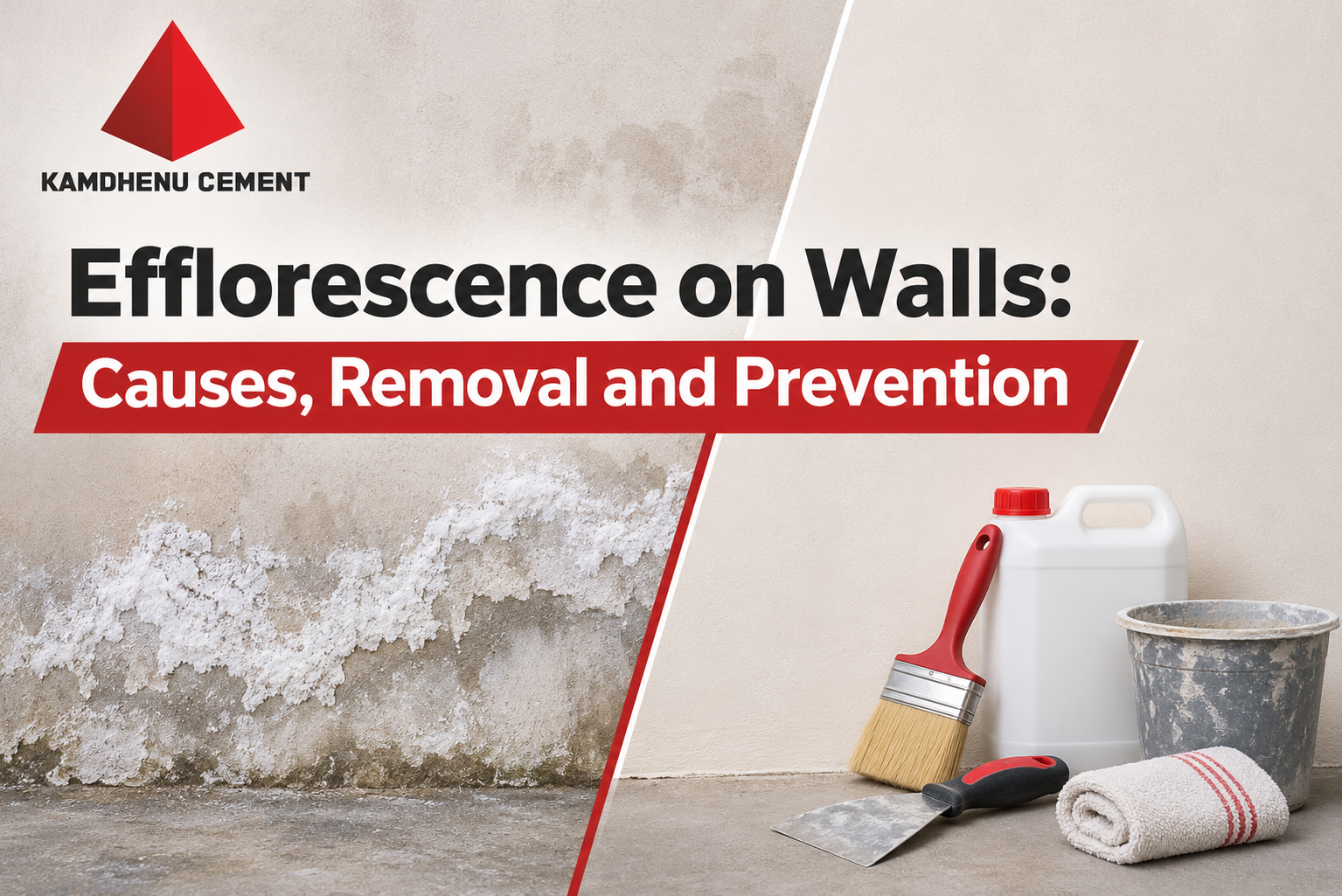
Efflorescence on Walls: Causes, Removal and Prevention
Efflorescence on walls shows up as a white, powdery or crusty deposit that appears on brickwork, plaster and concrete, usually a few months after construction or after the first heavy…
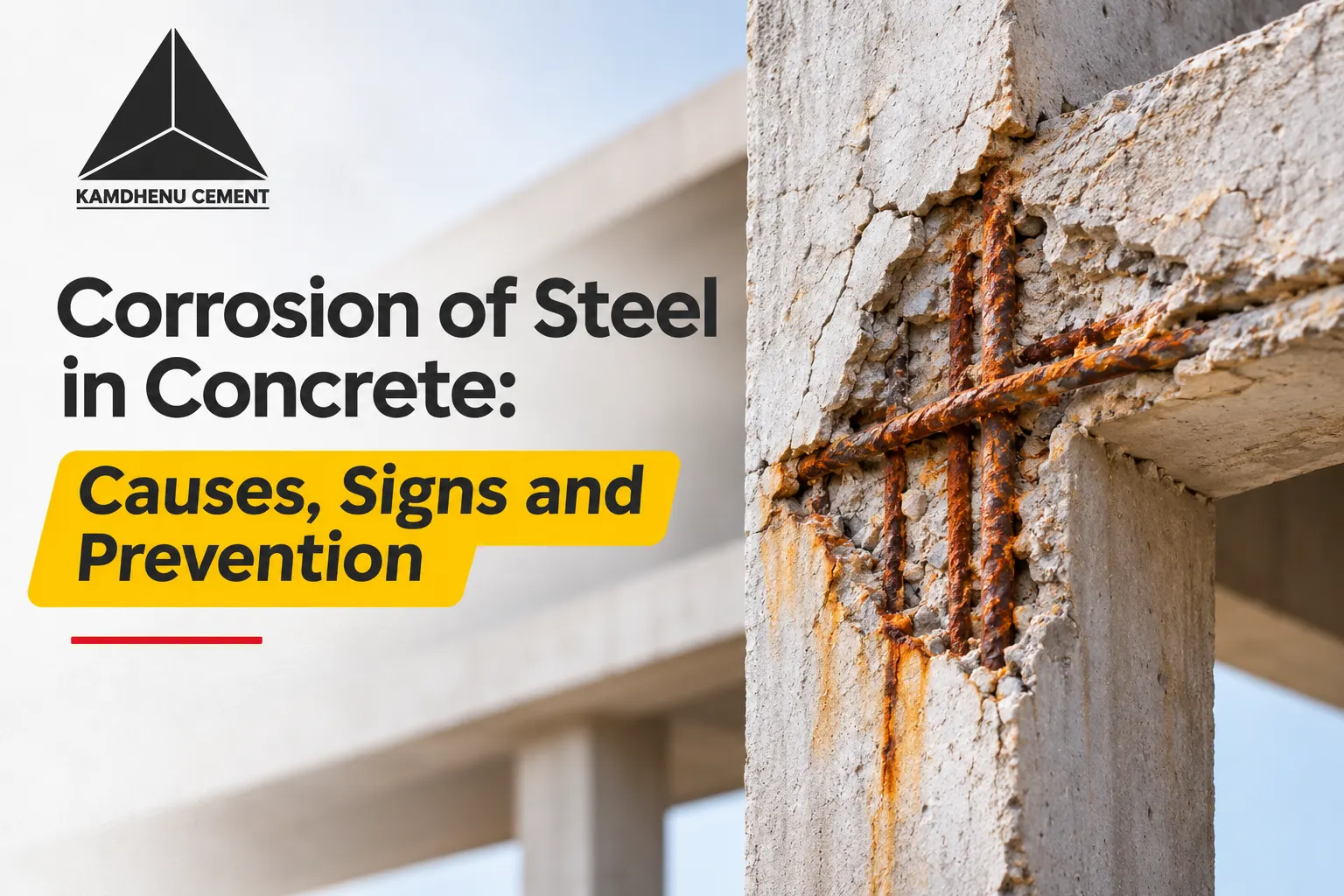
The first sign is usually a brown stain running down a column or the underside of a balcony slab. A few months later a piece of concrete drops away and…
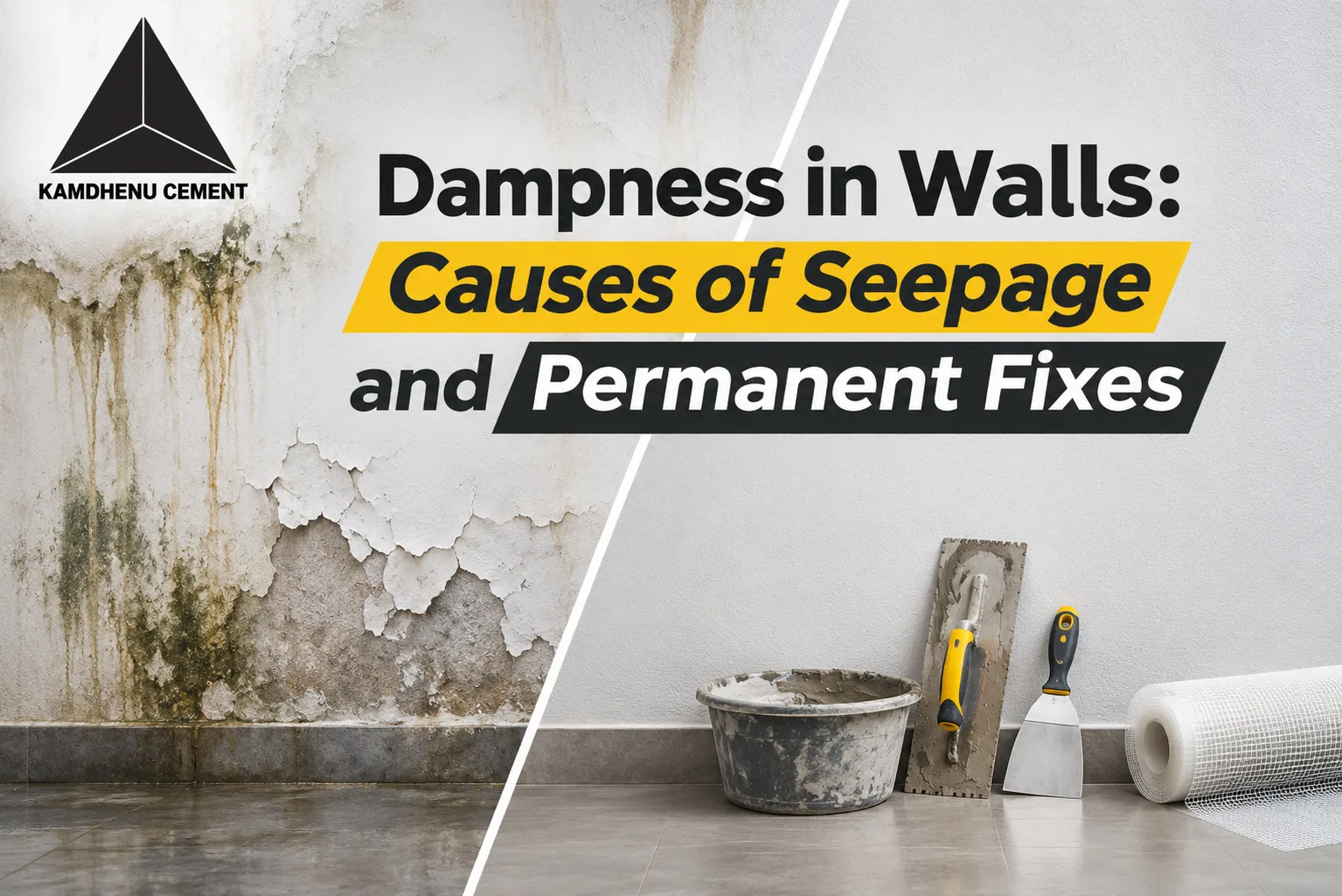
Dampness in walls rarely announces itself. It starts as a faint stain near the skirting, a patch of paint that bubbles after the rains, or a musty smell in a…
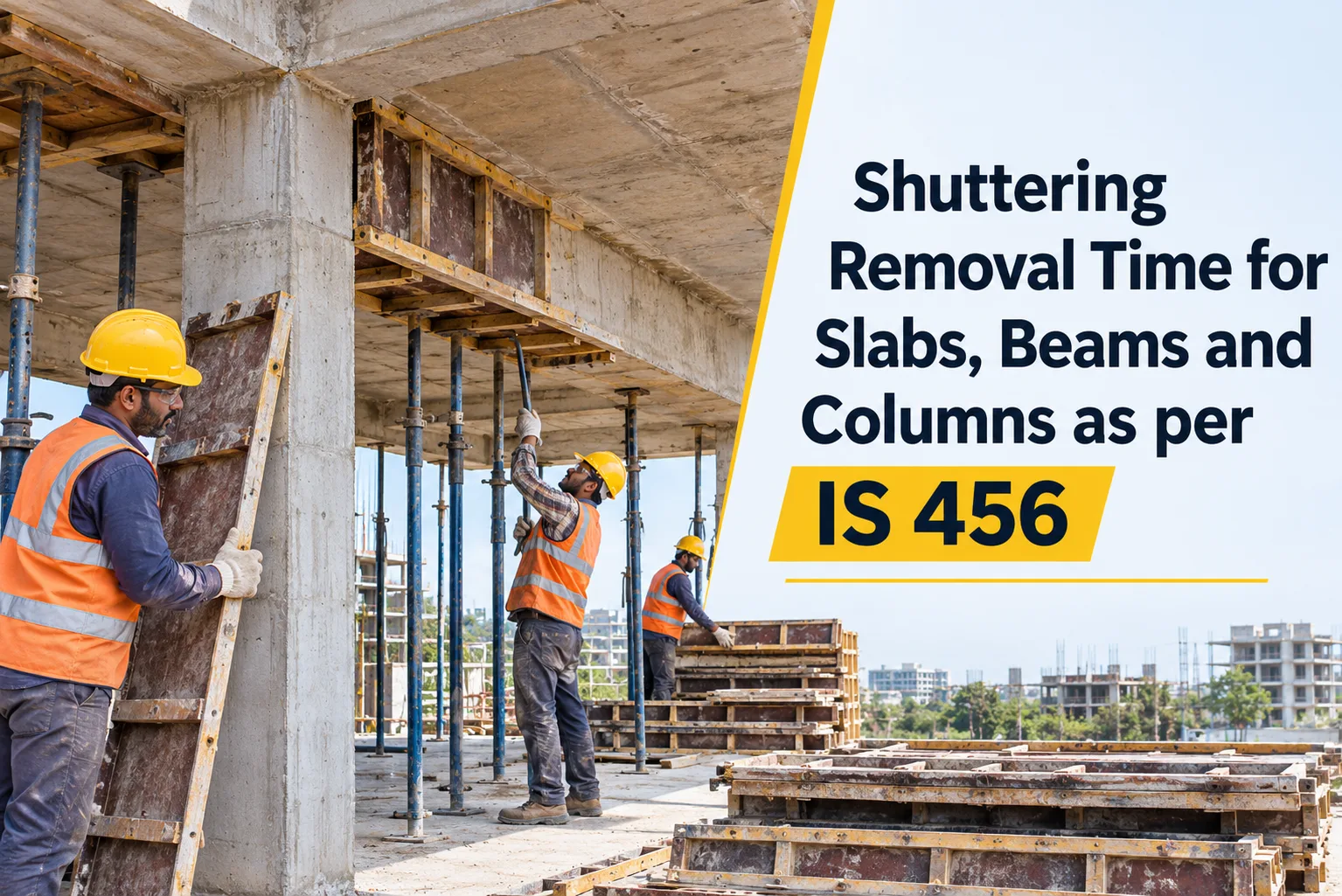
Formwork comes off a day or two early on far more sites than anyone admits. The slab was poured on Monday, the next floor is waiting, and someone decides three…
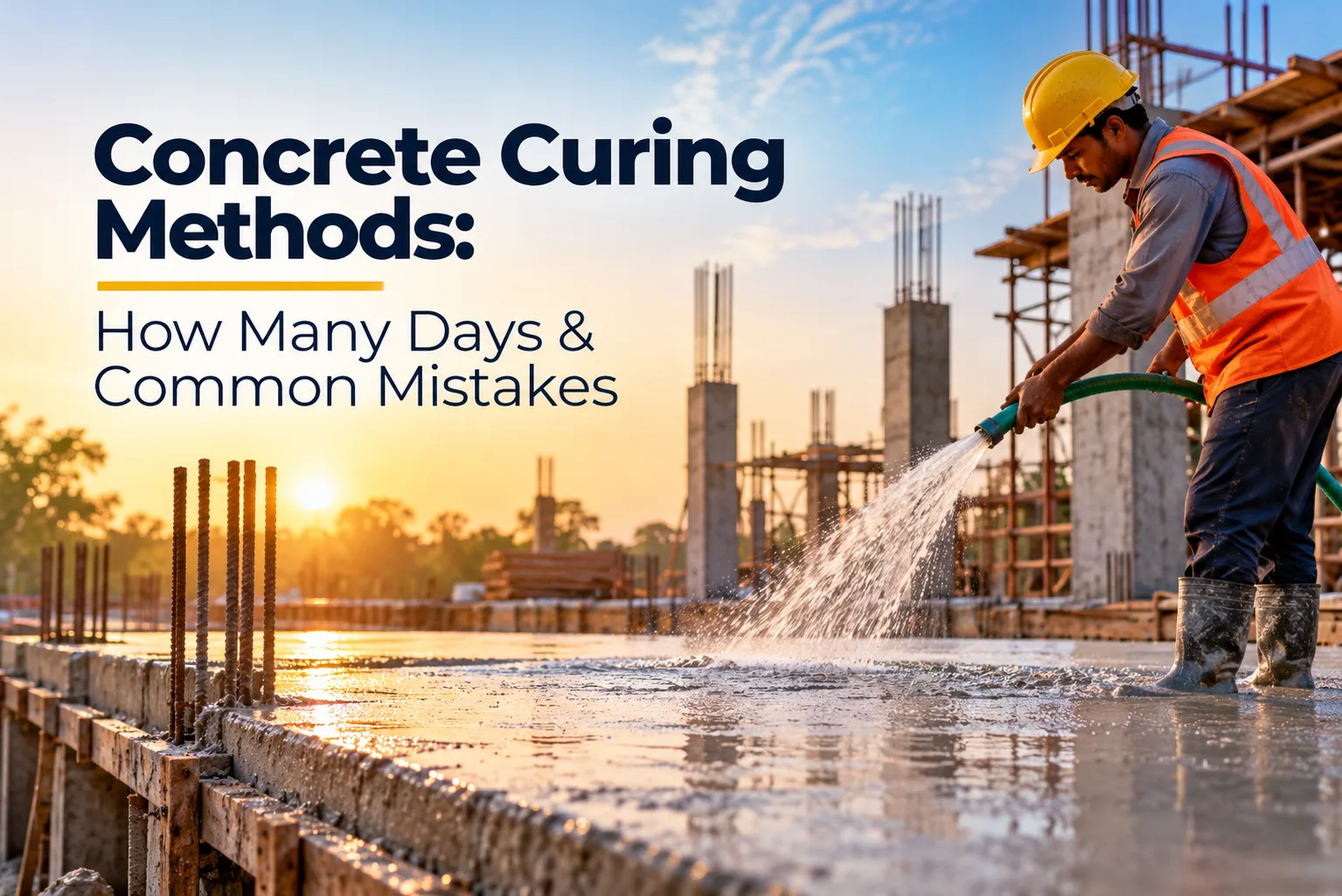
Concrete doesn't harden through drying — it hardens through hydration, the chemical reaction between cement and water. Curing is the process of keeping that reaction going long enough for the…
Not every construction application is the same, and not every cement grade is interchangeable. PSC cement uses are specific and well-defined — Portland Slag Cement performs better than Ordinary Portland…
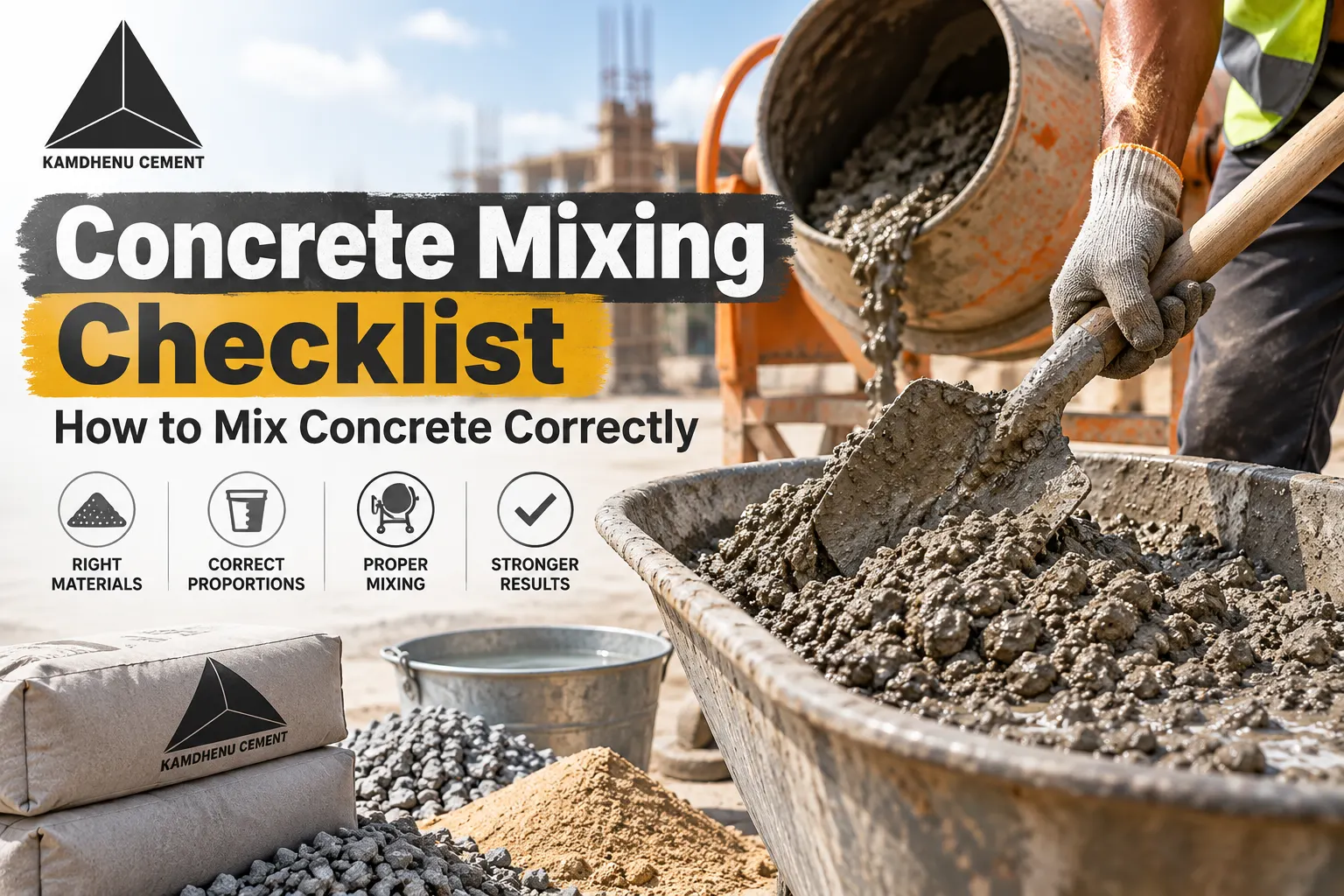
A concrete mixing checklist exists because the steps people skip are the ones that cause concrete to underperform. Wrong water content, insufficient mixing time, incorrect aggregate sequence — none visible…
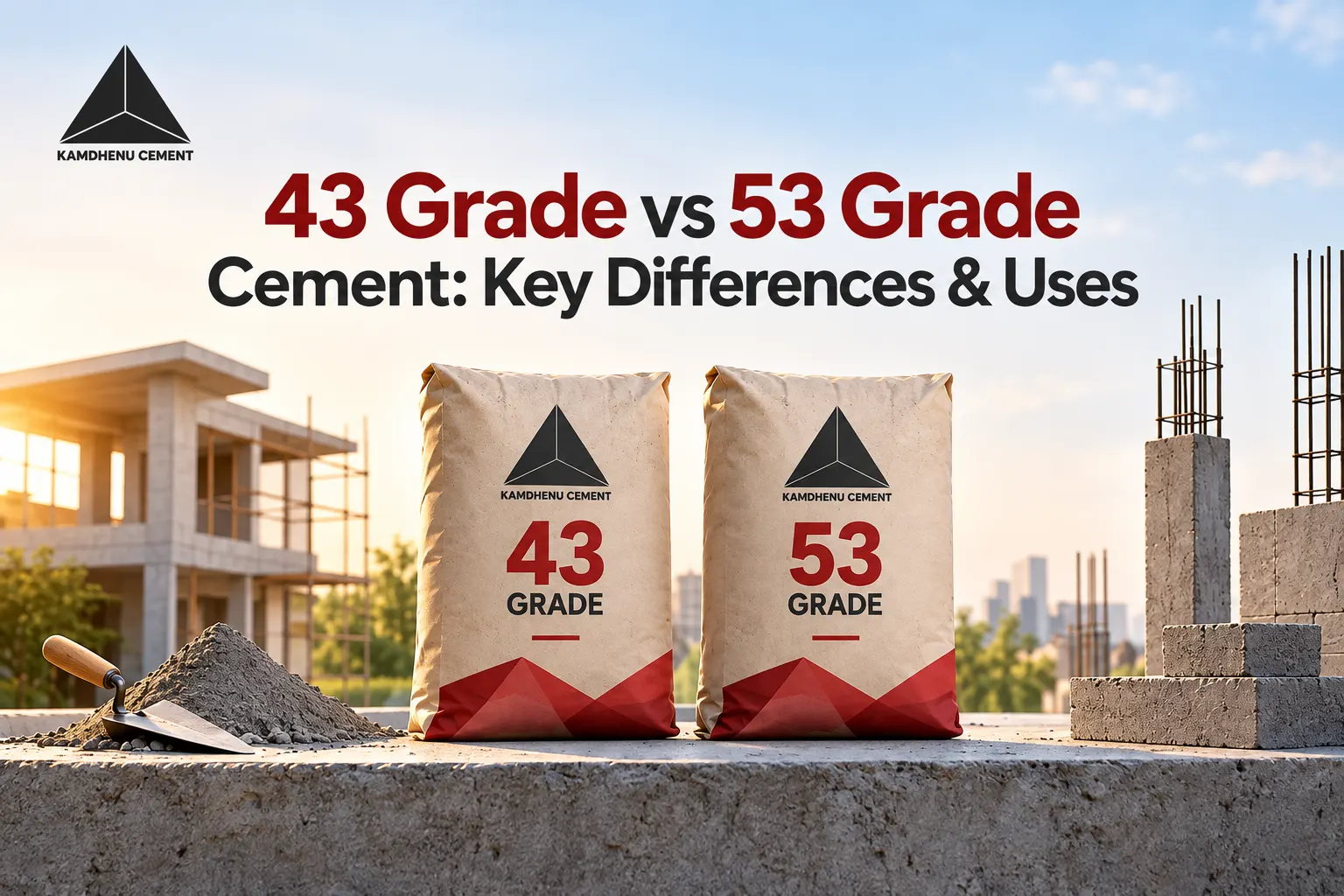
The 43 grade vs 53 grade cement question is one of the most common specification decisions in residential construction — and one of the most frequently answered incorrectly. Many buyers…
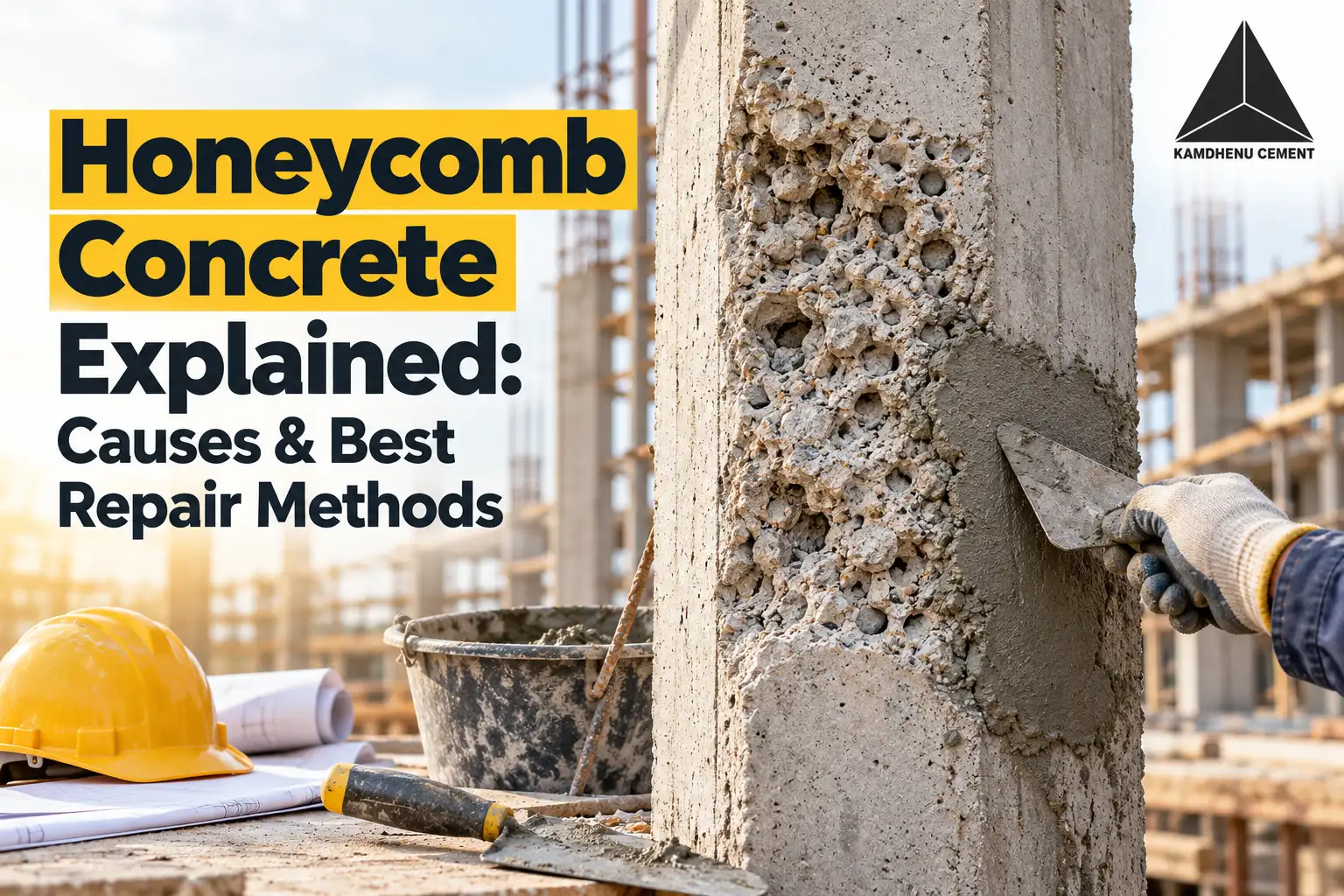
The wooden forms pull away. You expect a flawless, solid grey surface. Instead, a cluster of exposed stones and empty cavities stares right back at you. That ugly, gravelly patch…
Ever wonder what exactly you are buying when a supplier hands over a quote? You stare at the paperwork and ask yourself what is hidden inside that number. A quote…